/Science
Advanced research and science's most awaited results. Join in and share their content too.
Members: 13
Join
Moderated by: mozzapp


**What Secrets Does the Interstellar Comet 3I/ATLAS Hold for Humanity’s Understanding of the Cosmos?**
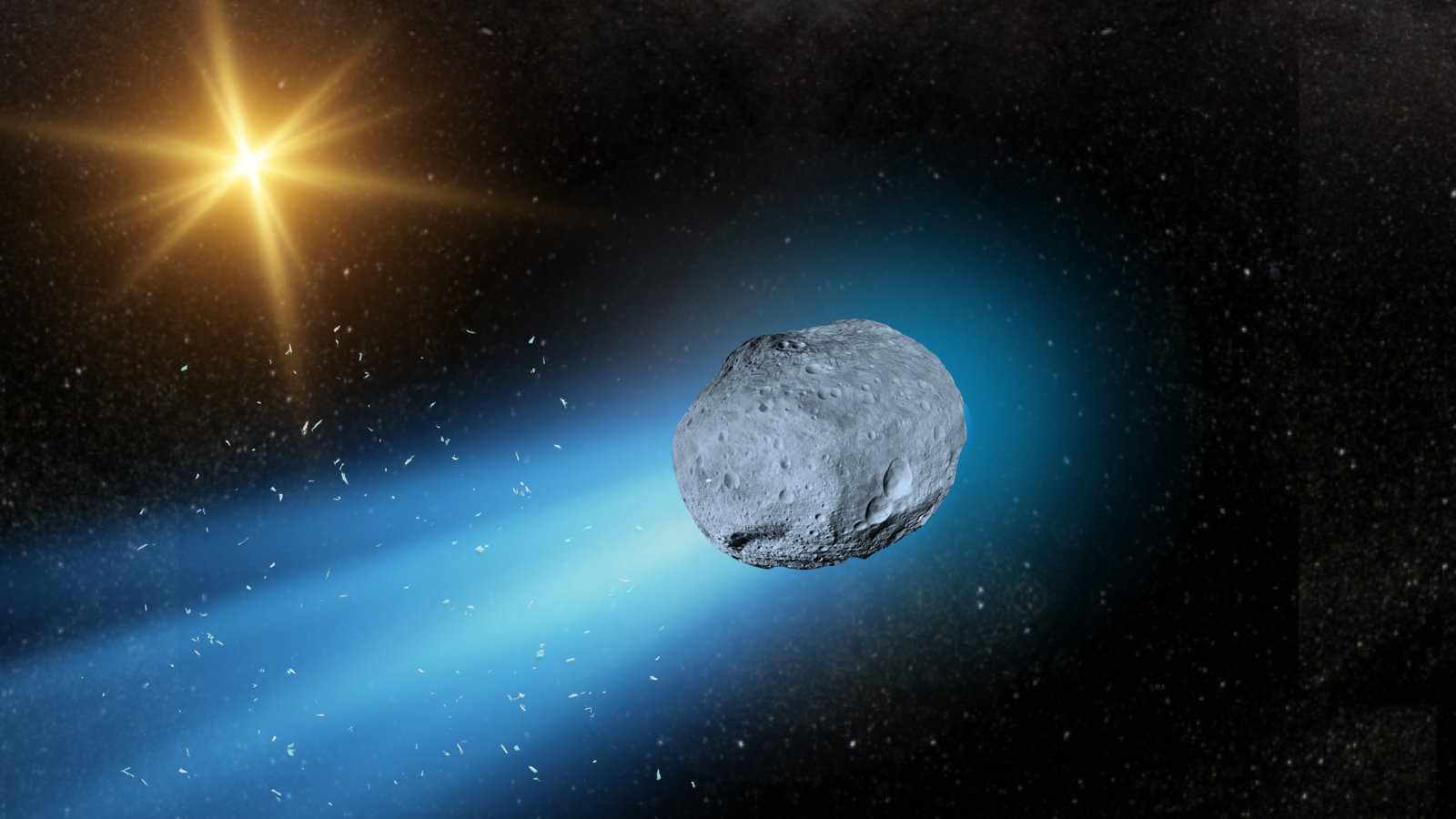
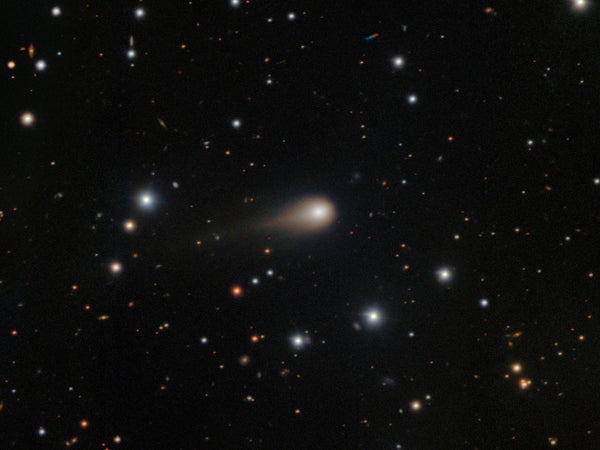
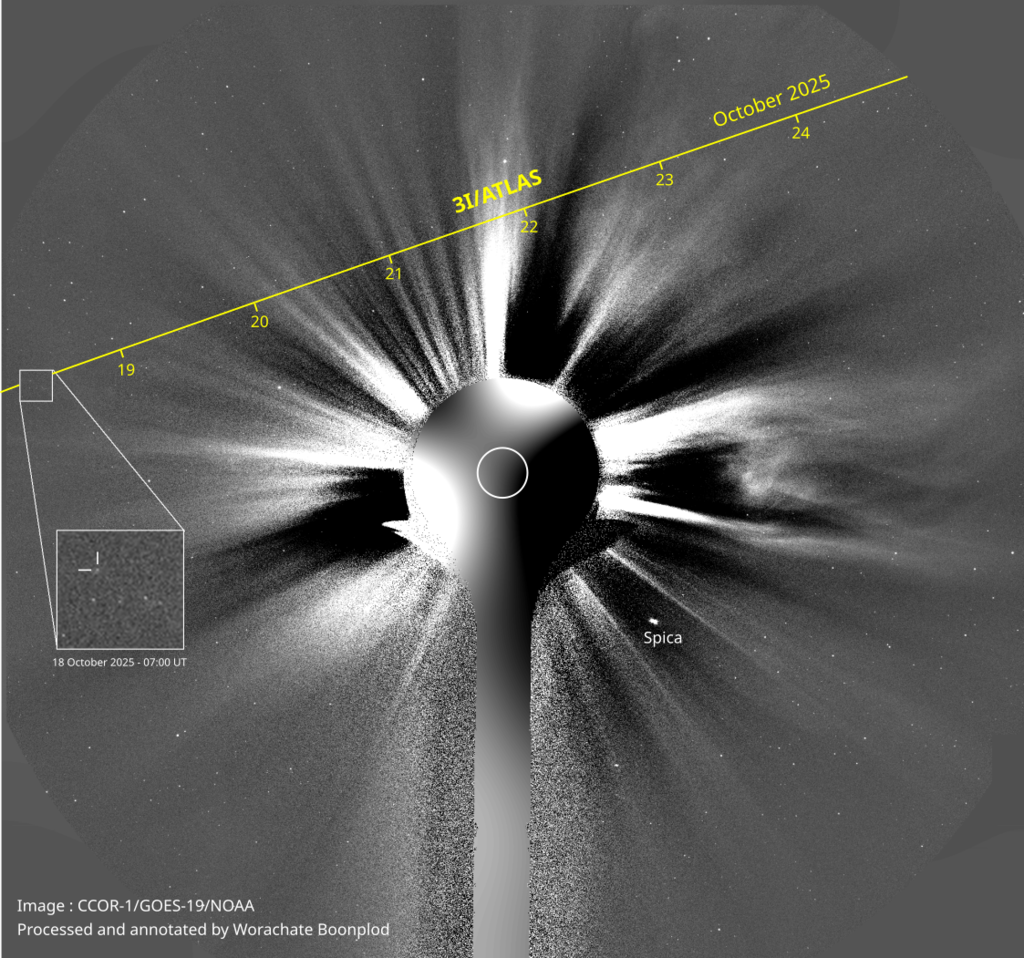
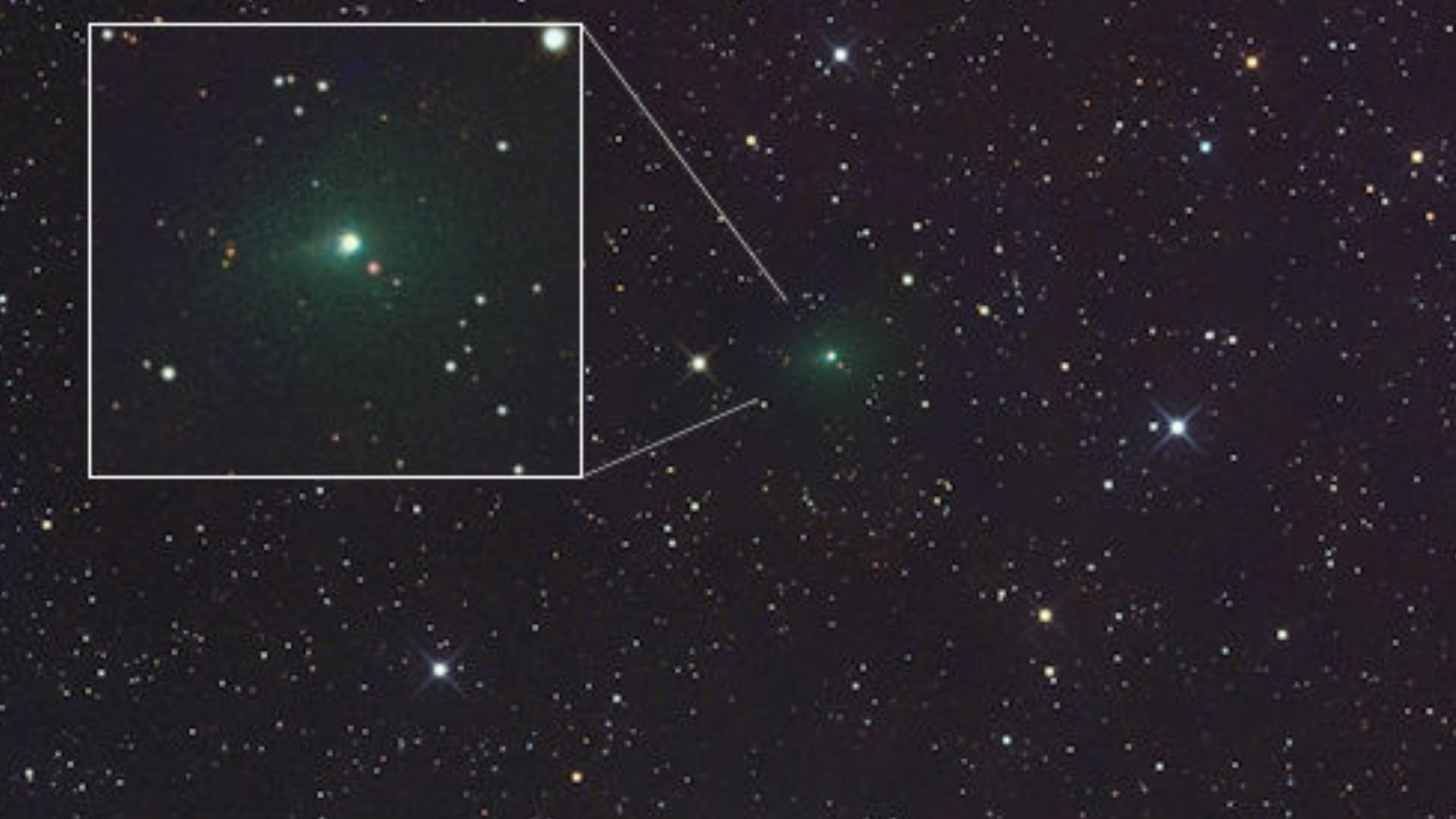
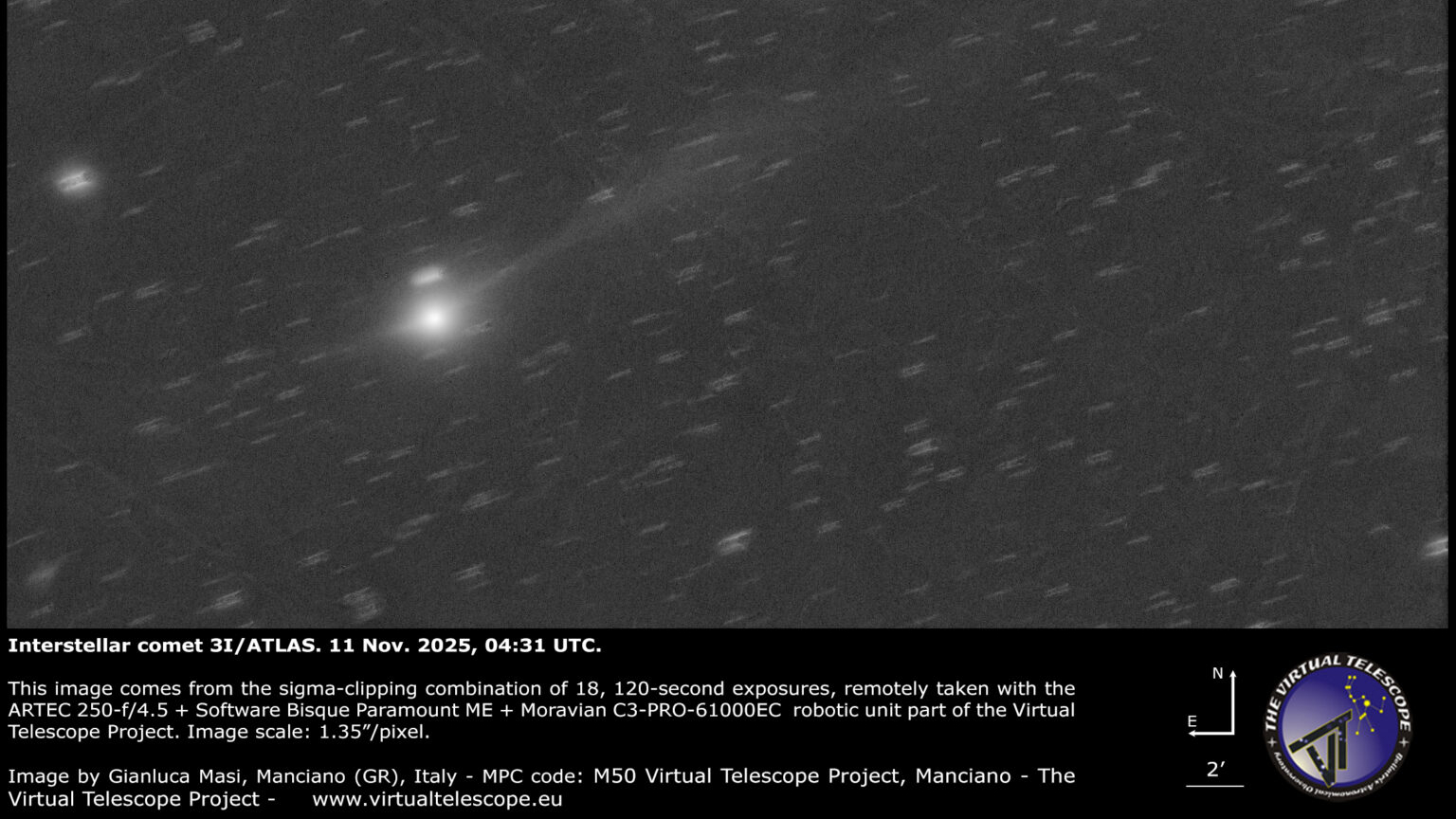
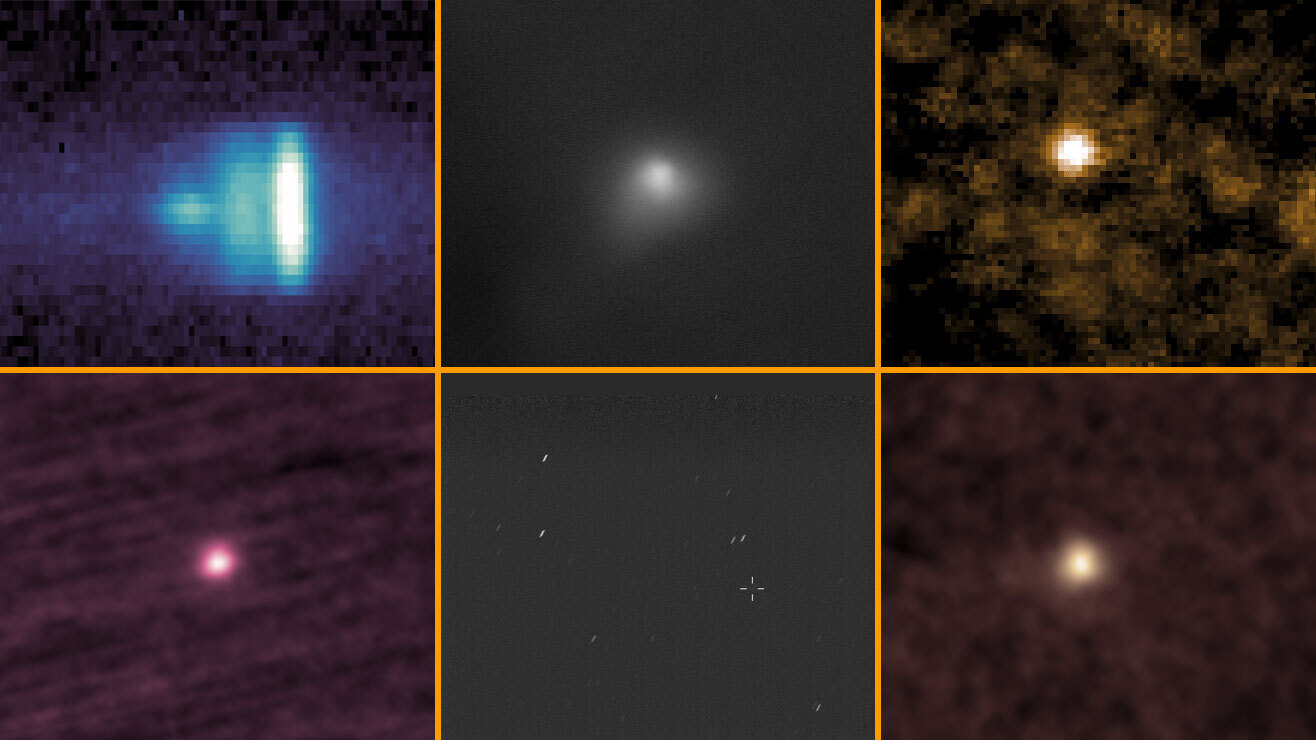


When Comet **3I/ATLAS** was first announced in July 2025, the astronomical community understood immediately that this was no ordinary visitor. Detected by the ATLAS survey telescope in Chile and confirmed by observatories across the globe, this celestial body was quickly classified as an **interstellar object**, only the third such confirmed visitor after *ʻOumuamua* in 2017 and *2I/Borisov* in 2019. Its hyperbolic trajectory—meaning it is not bound by the Sun’s gravity but simply passing through—signals an origin beyond the confines of our solar system, offering an unprecedented chance to observe matter formed around another star system. ([Encyclopedia Britannica][1])
From the moment of its discovery, researchers recognized that 3I/ATLAS could yield extraordinary insights into planetary formation and the distribution of elemental building blocks across the galaxy. Its speed, measured at roughly 58 kilometers per second relative to the Sun, exceeds that of most native solar system objects and reinforces its interstellar provenance. Observations have estimated the diameter of its nucleus to lie somewhere between approximately **440 meters and 5.6 kilometers**, reflecting significant uncertainty but underscoring the comet’s substantial size for an object of its kind. ([Encyclopedia Britannica][1])
The comet’s passage through our cosmic neighborhood has been marked by intense international effort to gather data across multiple wavelengths and platforms. Space telescopes like **Hubble** and instruments aboard planetary missions have turned their gaze toward 3I/ATLAS. Hubble’s high-resolution imaging, for example, revealed a teardrop-shaped dust cocoon surrounding the ice-rich nucleus—information vital for understanding the physical processes that govern cometary activity. ([esahubble.org][2])
As 3I/ATLAS approached perihelion—the point in its path nearest the Sun on October 30, 2025—it became more active and brighter, a behavior consistent with volatile materials sublimating under solar heating. Ground‑based telescopes and orbiters including those at Mars contributed to refining the comet’s path with unprecedented precision, enabling astronomers to map its trajectory and estimate its closest approach to Earth on **December 19, 2025** at approximately 1.8 astronomical units (about 270 million kilometers). This distance posed no threat to our planet, yet it allowed a global network of observatories to track and image the object as it receded from the Sun once more. ([NASA Science][3])
Spectroscopic studies from facilities such as the **James Webb Space Telescope (JWST)** and other observatories have stained the coma of 3I/ATLAS with clues about its composition. The data suggests a coma dominated by **carbon dioxide**, with detections of carbon monoxide, water ice, and dust—a composition that stands in intriguing contrast to many comets native to our solar system where water outgassing is far more dominant. These findings imply that 3I/ATLAS may have originated in a region of its parent system’s protoplanetary disk where conditions favored the formation and retention of CO₂ and related volatiles. ([arXiv][4])
In addition to chemical composition, there is growing evidence of structural complexity. Observational campaigns have detected features such as anti-solar jets and evolving tail morphology, offering insights into how the nucleus responds to solar radiation and rotational dynamics. Detailed photometric data captured by networks like ATLAS have shown the comet’s color evolution and coma expansion over time, hinting at changing surface activity and dust release processes as the object traversed diverse thermal regimes. ([arXiv][5])
Amateur astronomers have also contributed to the narrative. Unusual color phenomena, such as the comet’s green glow observed during a lunar eclipse, captivated both professionals and enthusiasts alike, illustrating how varied observational conditions can reveal different facets of an extraterrestrial object’s nature. ([Live Science][6])
Despite intense scrutiny, many fundamental questions remain unresolved. The exact origin system of 3I/ATLAS remains unknown, and while its composition provides comparative data against solar system comets, definitive conclusions about processes in distant star systems will require further analytical synthesis of the data collected. Its rapid transit and inevitable departure from our solar neighborhood underscore the fleeting nature of such opportunities: once 3I/ATLAS exits, it will likely never be observed again in comparable detail. ([Encyclopedia Britannica][1])
This journey of discovery, marked by coordinated global observation and interdisciplinary analysis, raises profound questions about our place in the galaxy and the diversity of celestial objects that roam the vast interstellar medium. If an icy wanderer from beyond our star system can reveal so much in a brief cosmic cameo, what deeper secrets might still be hidden in the interstellar debris passing through the silent reaches of our solar neighborhood?
Sources
[https://science.nasa.gov/solar-system/comets/3i-atlas/](https://science.nasa.gov/solar-system/comets/3i-atlas/)
[https://en.wikipedia.org/wiki/3I/ATLAS](https://en.wikipedia.org/wiki/3I/ATLAS)
[https://noirlab.edu/public/news/noirlab2522/](https://noirlab.edu/public/news/noirlab2522/)
[https://esahubble.org/news/heic2509/](https://esahubble.org/news/heic2509/)
[https://www.jpl.nasa.gov/news/nasas-mars-spacecraft-capture-images-of-comet-3iatlas](https://www.jpl.nasa.gov/news/nasas-mars-spacecraft-capture-images-of-comet-3iatlas)
[https://www.livescience.com/space/comets/nasa-spacecraft-reveal-interstellar-comet-3i-atlas-brightened-rapidly-as-it-swooped-behind-the-sun](https://www.livescience.com/space/comets/nasa-spacecraft-reveal-interstellar-comet-3i-atlas-brightened-rapidly-as-it-swooped-behind-the-sun)
[https://www.space.com/astronomy/comets/interstellar-comet-3i-atlas-makes-its-closest-approach-to-earth-on-dec-19-heres-what-you-need-to-know](https://www.space.com/astronomy/comets/interstellar-comet-3i-atlas-makes-its-closest-approach-to-earth-on-dec-19-heres-what-you-need-to-know)
[https://cosmobc.com/interstellar-comet-3i-atlas/](https://cosmobc.com/interstellar-comet-3i-atlas/)
[1]: https://www.britannica.com/topic/Comet-3I-ATLAS?utm_source=chatgpt.com "Comet 3I/ATLAS | Interstellar Comet, Facts, Size, Earth Approach, & Speed | Britannica"
[2]: https://esahubble.org/news/heic2509/?utm_source=chatgpt.com "Hubble makes size estimate of interstellar comet | ESA/Hubble"
[3]: https://science.nasa.gov/solar-system/comets/3i-atlas/3i-atlas-facts-and-faqs/?utm_source=chatgpt.com "3I/ATLAS Facts and FAQS - NASA Science"
[4]: https://arxiv.org/abs/2508.18209?utm_source=chatgpt.com "JWST detection of a carbon dioxide dominated gas coma surrounding interstellar object 3I/ATLAS"
[5]: https://arxiv.org/abs/2509.05562?utm_source=chatgpt.com "ATLAS Photometry of Interstellar Object 3I/ATLAS"
[6]: https://www.livescience.com/space/comets/comet-3i-atlas-is-getting-greener-and-brighter-as-it-approaches-earth-new-images-reveal?utm_source=chatgpt.com "Comet 3I/ATLAS is getting greener and brighter as it approaches Earth, new images reveal"